Sheffield Music Therapy
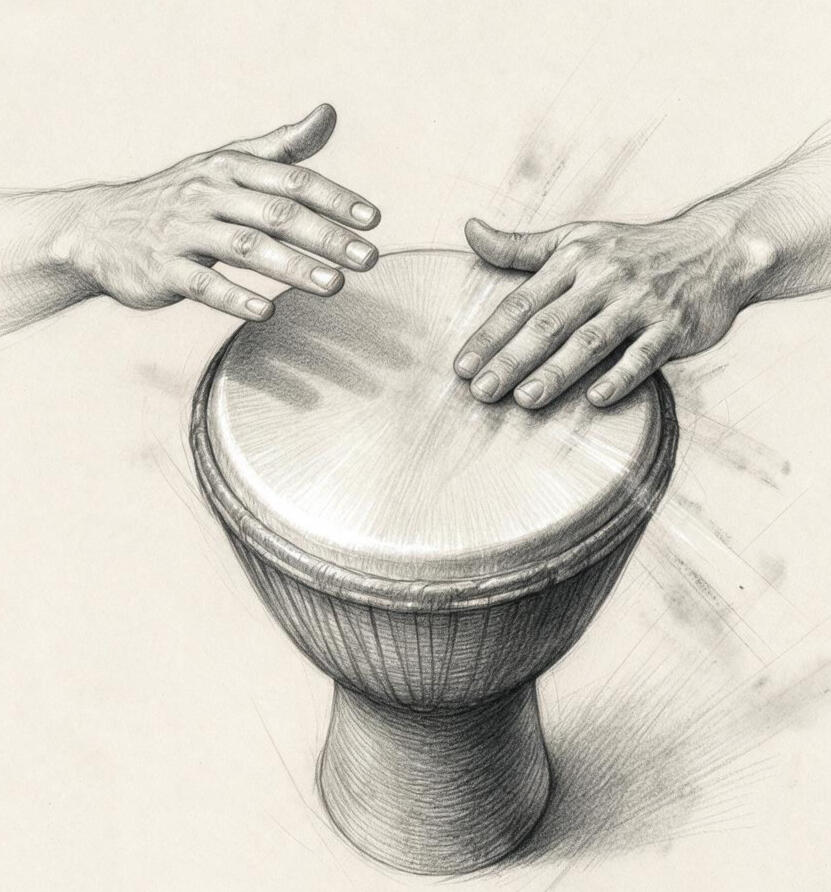
"When talking things through isn't quite working, a different approach like music therapy can help."Music therapy in Sheffield for adults, teenagers, children, and families.
What is Music Therapy?
Music therapy is an established, evidence-based therapy, delivered by HCPC-registered music therapists, to support people whose lives have been affected by illness, injury, disability, or difficult life experiences and working with emotional, psychological, cognitive, physical, communicative, and social needs.At its heart is the relationship built between therapist and client through live music-making. We use playing, singing, improvising, and simply listening together. Because music doesn't rely on speech, it can reach places words sometimes can't, offering a way to express and explore things that are hard to put into any other language.You don't need any musical experience or to know anything about music to take part. Everyone has the ability to respond to music in some way. That shared connection is what music therapy builds on.
What We Do
Sessions are client-led, and we aim to create a secure, non-judgemental space where you feel safe enough to work through whatever you bring. Music therapists are trained to Masters level and registered with the Health and Care Professions Council (HCPC) and the British Association for Music Therapy (BAMT), bringing significant therapeutic music skills that can be used in a wide variety of ways.We offer three types of music therapy:1. Individual Therapy
Through music, we work with identity, trauma, emotional regulation, and other mental health needs.2. Group Therapy
Using music, we build relationship skills, helping to reduce social anxiety and combat isolation.3. Family Music Therapy
Being part of a family can, at times be hard work. Communication breaks down, relationships come under strain, and the stresses of life can take their toll on home life. Family Music Therapy offers a neutral, non-judgemental, and safe space for a family to come together. Making music can open up new ways of communicating and being together as a family.
How and Where
We use a wide range of instruments — keyboards, drums, xylophones, guitars, voice — alongside modern technology like Novation grid controllers and music software, so sessions can flex around what works best for you.Our techniques include improvisation, songwriting, listening, DJing, singing, and drumming, among others, all chosen to suit each person and what they need from their sessions.Most importantly, you don't need to be able to play an instrument to take part. We believe music-making is something innate in all of us — not a skill you either have or don't.


Sessions can take place wherever works best for you:- At our studio on Mary Street, Sheffield
- In schools, children's homes, or hospitals
- Online
- In the Music Therapy Van, either at Hope Valley Centre, or we can bring it to youEach session lasts up to an hour.The cost per session depends on each client's specific needs, and typically ranges from £65 to £80, plus travel costs where applicable.If you'd like to explore music therapy but are experiencing financial difficulties, please still get in touch via the enquiry form — we're happy to discuss options together.
Nick Mather
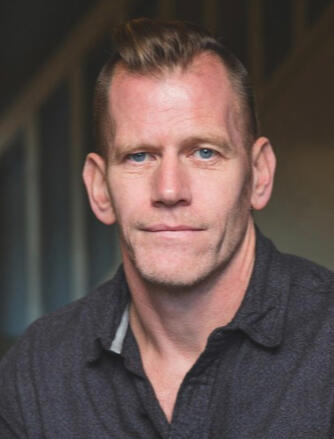
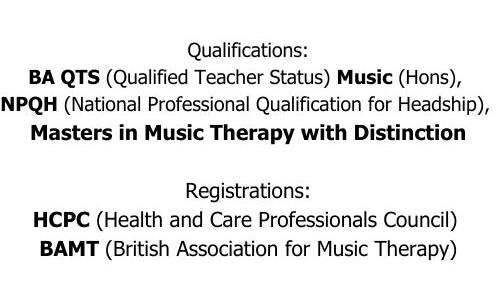
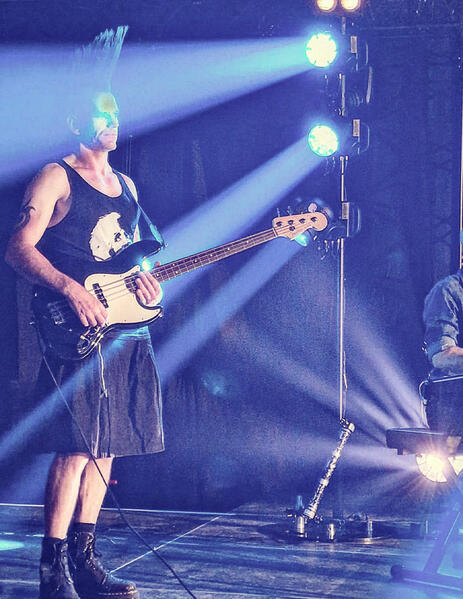
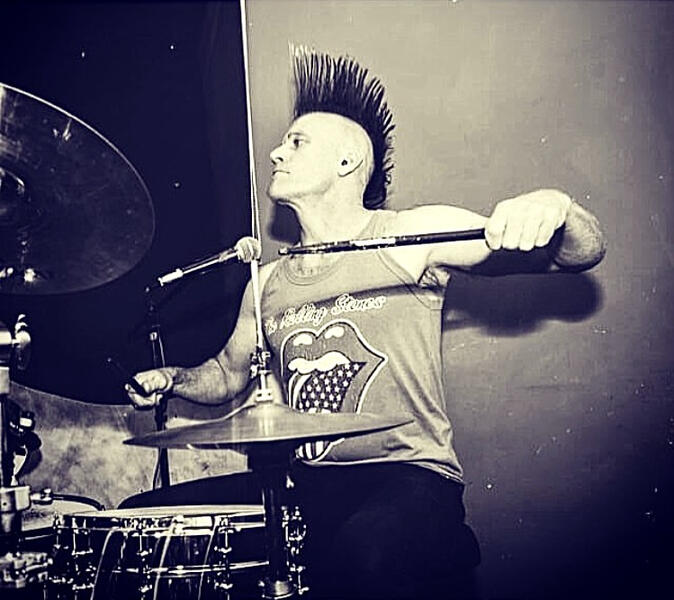
Nick brings a rich and varied background to the therapy room. After a fulfilling career in education as a music teacher and senior leader, he retrained as a Music Therapist, earning a Masters with Distinction from the University of Derby.Nick is a compassionate, deeply empathetic therapist who works with adults, teenagers, children, and families, through both individual and family therapy. He takes a person-centred, integrative approach, shaping each session around what will genuinely help you move forward, rather than a fixed method. He's committed to helping people find freedom from whatever's holding them back, so they can be more fully themselves.His particular areas of interest include looked-after children, and the themes of identity, trauma, and attachment.Away from the therapy room, Nick is a semi-professional musician who has toured nationally and internationally. He loves performing and songwriting and describes music as something that has quite simply been a lifesaver at different points in his life.
Music Therapy for Teenagers
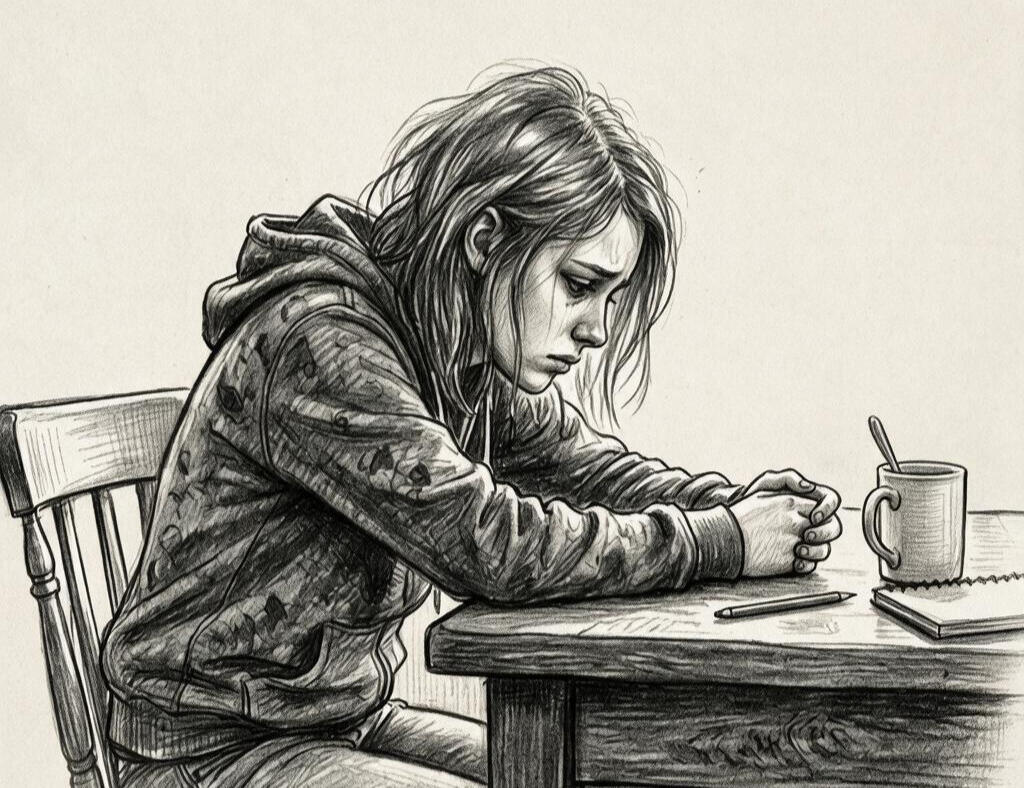
Adolescence can be a lot — new pressures, big feelings, and not always the words to explain them. Music therapy gives teenagers a way to process what they're going through without needing to "talk it all out" straight away. No musical experience is needed, and nothing is forced — sessions go at your teenager's pace.How it can help- Managing emotions — music offers a non-verbal way to express and work through feelings like stress, anger, or anxiety
- Finding the words — songwriting and improvisation often open up conversations that feel too hard to start directly
- Building confidence — small musical achievements and positive feedback can carry over into other areas of life
- Easing stress — sessions offer a genuine break from academic and social pressures
- Connecting with others — group sessions build social skills and can help quieter teens come out of their shell
- Exploring identity — music-making gives space to figure out "who am I" during a tricky stage of growing upIs this right for your teenager?If they're struggling to open up, feeling overwhelmed, or just need a space that isn't school, home, or a typical talking therapy, music therapy might be a good fit — even if they've never picked up an instrument in their life.
Music Therapy for Families
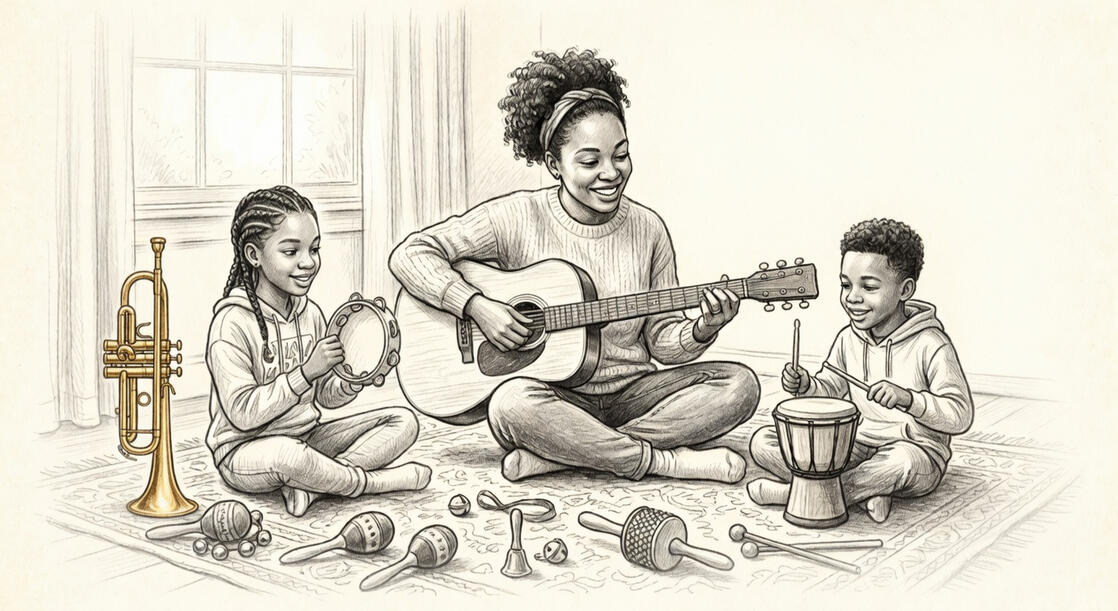
Family life doesn't always go smoothly — communication breaks down, relationships come under strain, and the pressures of everyday life take their toll. Family music therapy creates a neutral, non-judgemental space where everyone can be heard, without anyone needing to be "the one with the problem."How it can help- Opening up communication — making music together often reveals new ways of listening and being understood, even when words have stopped working
- Bonding across ages — music is genuinely inclusive, from young children to grandparents, so everyone can take part
- Supporting neurodivergent family members — instruments, songs, and rhythm can help children on the autism spectrum or with other developmental differences engage more easily with the rest of the family
- Releasing tension safely — playing or singing together gives everyone a constructive outlet when things feel tense or conflict-heavy
- Working through specific challenges — sessions can focus on whatever your family needs, whether that's a parent-child relationship, supporting a teenager, or processing grief and loss togetherIs this right for your family?If communication has broken down, home life feels stressful, or you simply want a space to reconnect as a family, music therapy offers a way in that doesn't rely on everyone finding the right words straight away.
Music Therapy for Children
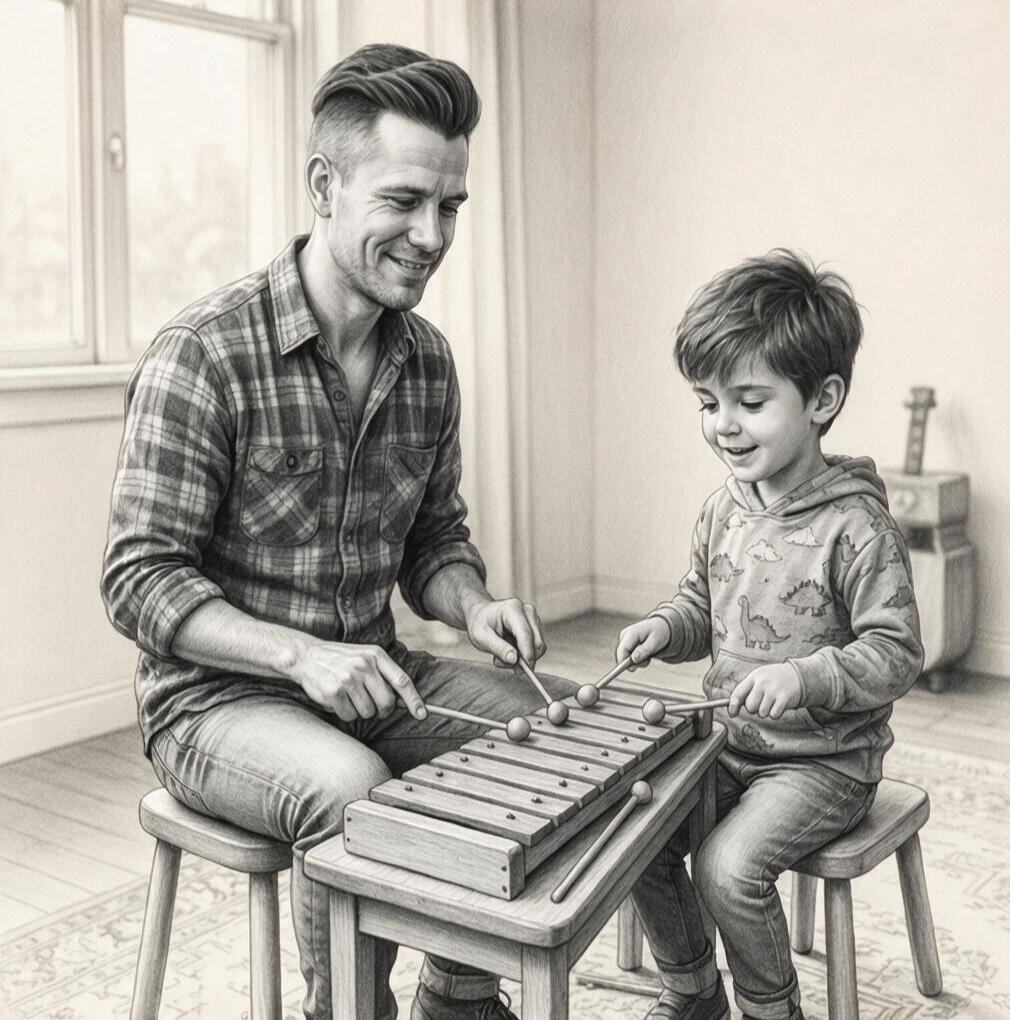
Children don't always have the words to explain how they're feeling, especially when they're dealing with trauma, anxiety, or a developmental difference. Music therapy gives them another way to express themselves through playing, singing, and simply making sound together.How it can help- Expressing emotions — music offers a safe, non-verbal outlet for feelings that are hard to put into words
- Supporting development — rhythm and pattern-based activities can help build language skills, memory, and problem-solving
- Building motor skills — drumming, dancing, and playing instruments help develop coordination, and sessions can be adapted for children with physical disabilities
- Growing social confidence — group sessions build turn-taking, listening, and cooperation, which is especially valuable for children who find social interaction hard, including autistic children
- Making space for connection — sometimes it's simply about a child having a place where they feel safe, heard, and free to be themselvesIs this right for your child?If your child is struggling to express their feelings, facing a developmental challenge, or finding social situations difficult, music therapy can offer a gentle, pressure-free way in and no musical ability required.
Music Therapy for Adults
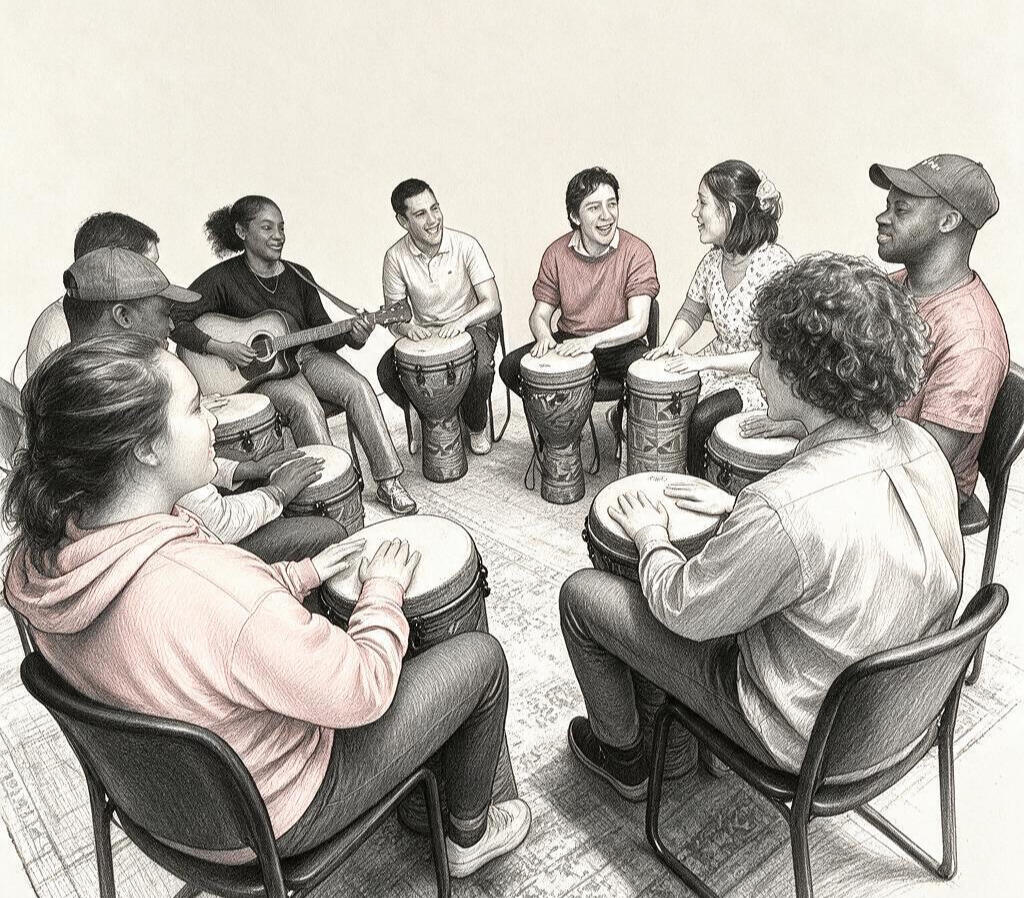
Life as an adult can bring stress, anxiety, and challenges that are hard to process alone. Music therapy offers a different route through this, using sound and rhythm to help you express, understand, and work through what you're carrying, at your own pace.How it can help- Reducing stress and anxiety — music offers a genuinely calming outlet when the pressures of work and daily life build up
- Supporting physical recovery — rhythmic exercises can aid rehabilitation after injury or surgery, helping rebuild mobility, strength, and coordination
- Aiding memory and cognitive function — for people living with conditions like dementia, music can stimulate recall and provide a strong sense of connection to the past
- Processing difficult emotions — for those managing depression, PTSD, or trauma, music therapy provides a safe space to explore feelings through songwriting, lyric analysis, or simply listening
- Rebuilding a sense of self — many adults find that music helps them reconnect with parts of themselves that stress or hardship have pushed asideIs this right for you?If you're feeling overwhelmed, working through a difficult period, or looking for a therapeutic approach that doesn't rely purely on talking, music therapy might be worth exploring, whatever your relationship with music has been so far.
Music Therapy with Neurodiversity
Neurodiversity recognises that differences like autism, ADHD, and dyslexia are natural, valuable parts of human variation — not something to "fix." Music therapy works with this, meeting neurodivergent people where they are rather than asking them to fit a particular mould.How it can help- Communication — music offers a non-verbal way to express thoughts and feelings, valuable for anyone who finds verbal communication difficult
- Social connection — group sessions build relationships and a sense of belonging through shared music-making
- Emotional regulation — music can create a calming or energising environment, supporting people who find emotional regulation challenging
- Cognitive skills — rhythmic, structured activities can support memory, attention, and problem-solving
- Sensory integration — predictable, structured sound and touch can offer comfort for those who experience sensory processing differencesIs this right for you or your child?If you or your child are neurodivergent and looking for a therapeutic approach that works with your natural way of experiencing the world rather than against it, music therapy offers a flexible, accepting space to explore that.Please fill in the form for a free online consultation
Music Therapy for PMLD
For people with profound and multiple learning disabilities (PMLD), communication often doesn't rely on words — and it doesn't need to. Music therapy works through sound, touch, and shared response, meeting each person exactly as they are, with no expectation to speak, understand instruction, or "achieve" anything in particular.How it can help
- Building connection without words — musical interaction offers a way to be truly seen and responded to, even with no verbal or symbolic communication
- Supporting sensory engagement — vibration, rhythm, and sound can be experienced physically as well as heard, offering rich sensory stimulation in a controlled, gentle way
- Encouraging physical response — reaching for an instrument, turning toward a sound, or a change in breathing or movement can all be moments of real engagement and choice
- Reducing distress — familiar, predictable musical patterns can have a calming effect for people who find changes in routine or environment difficult
- Working alongside your existing team — sessions can complement the input of school staff, carers, speech and language therapists, or occupational therapists already involved in someone's careIf you care for or work with someone with PMLD and are looking for a therapeutic approach that doesn't depend on verbal communication or cognitive understanding, music therapy offers a gentle, responsive way to connect — wherever that person is starting from.
Testimonials
'Aged 12, our son was struggling with anxiety and being a music lover we booked him in with Nick to see if it would help give him some coping strategies. We believe that seeking help early is key. In just one or two sessions he was a different child and in the subsequent sessions learned more strategies which he continues to use to this day. Nick obviously made such an impression on him that he is now considering a career in music therapy himself. Cannot recommend highly enough. Just brilliant!'
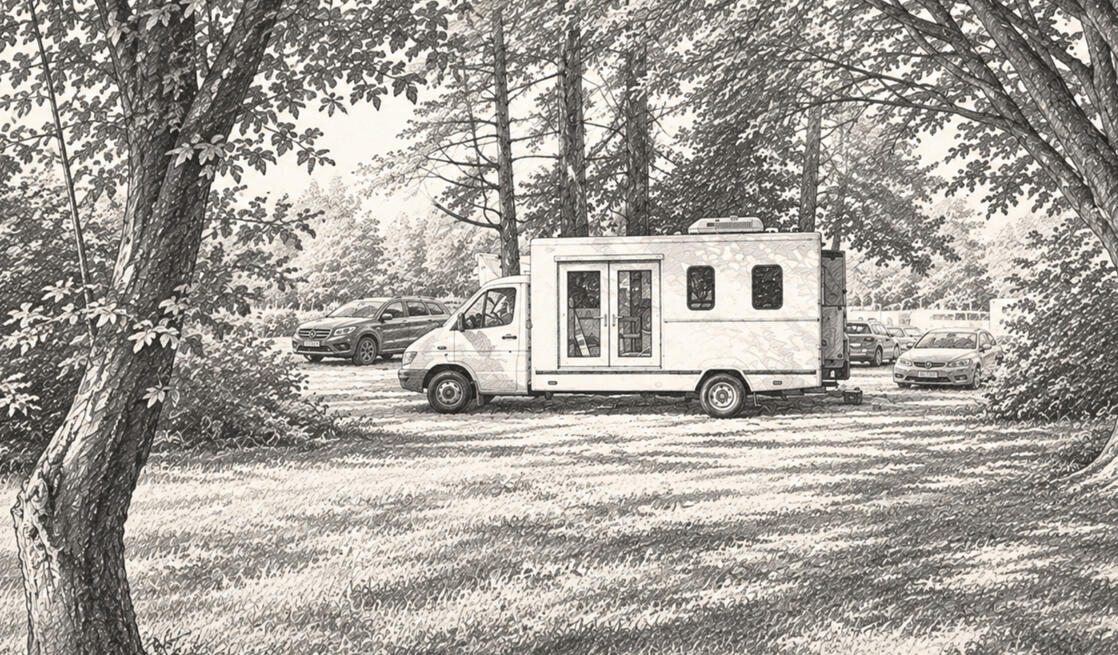
The Music Therapy Van, now at The Hope Valley Centre.
Music therapy, wherever it's needed
Our fully equipped therapy van is now in place, either at our regular spot at The Hope Valley Centre, or brought directly to schools, hospitals and children's homes across Sheffield and the Peaks.
Visit us at The Hope Valley Centre
Sessions are held in a quiet, tree-lined corner of the centre, away from the main visitor areas. While your session takes place, carers and parents are welcome to head to the on-site cafe or take a walk around the grounds.- A private space, just for you or your child
- Sessions run for up to an hour
- Free parking, with a cafe and grounds on-site
Bring the van to your organisation
For schools, hospitals and children's homes, the van offers a neutral, secure therapeutic space that travels to where it's needed, without the disruption of taking a child off-site.- Regular visits on a schedule you agree with us
- A self-contained space, separate from classrooms or wards
- DBS certificate, safeguarding policy and insurance documents available on request
Sheffield Music Therapy
Want to know more, please fill in the form and we will be in touch